 (205) 732-7138
 brian@btrained.net
Summer is hands-down the busiest season of the year for HVAC technicians. As temperatures rise, air conditioning systems are pushed to their limits, and even small issues can quickly escalate into emergency service calls. For HVAC students and new technicians, understanding the most common summer repair requests can help you prepare for the fast-paced demands of the field.
Here are eight of the most common HVAC service calls you can expect during the hottest months of summer.
1. Air Conditioner Not Cooling Properly
One of the most common summer calls every HVAC tech can expect to receive is a homeowner reporting that their AC is running but not cooling the house effectively. There are several possible causes behind this issue, and this makes this common call one of the best learning opportunities for new technicians.
A dirty air filter is often the most common, and simplest, culprit. The AC system stops cooling because restricted airflow reduces its performance and when the air filter becomes overly dirty, it can even cause the evaporator coil to freeze.
If the air filter appears to be in good shape, then the problem is stemming from another potential issue. For instance, low refrigerant levels are another common issue and may point to a leak somewhere in the system. Dirty condenser coils, failing compressors, or malfunctioning thermostats can also prevent proper cooling.
Techs responding to these calls need to inspect the entire cooling system methodically. Proper diagnostics are critical because homeowners are often frustrated and uncomfortable when indoor temperatures rise during extreme heat.

2. Frozen Evaporator Coils
As mentioned above, frozen evaporator coils due to dirty air filters can become especially common during summer simply because systems are running longer and harder and air filters aren’t being replaced frequently enough. When airflow becomes restricted or refrigerant levels drop too low, moisture on the coil freezes to the point that it blocks cooling performance completely.
Homeowners may notice ice buildup around the indoor unit or reduced airflow coming from vents. Some customers even assume their system simply stopped working altogether.
As a technician, you’ll often need to inspect filters, blower motors, duct restrictions, and refrigerant pressures to identify the root cause. New HVAC students quickly learn that thawing the coil is only part of the repair. Finding the actual reason the coil froze is what solves the problem long-term.
3. Refrigerant Leaks
Older HVAC systems are especially vulnerable to refrigerant leaks during summer stress. As outdoor temperatures climb, AC systems operate under heavier pressure, and this can expose weak fittings, corroded coils, or damaged refrigerant lines.
Customers may complain that the home takes too long to cool or that energy bills have suddenly increased. In severe cases, the system may blow warm air entirely.
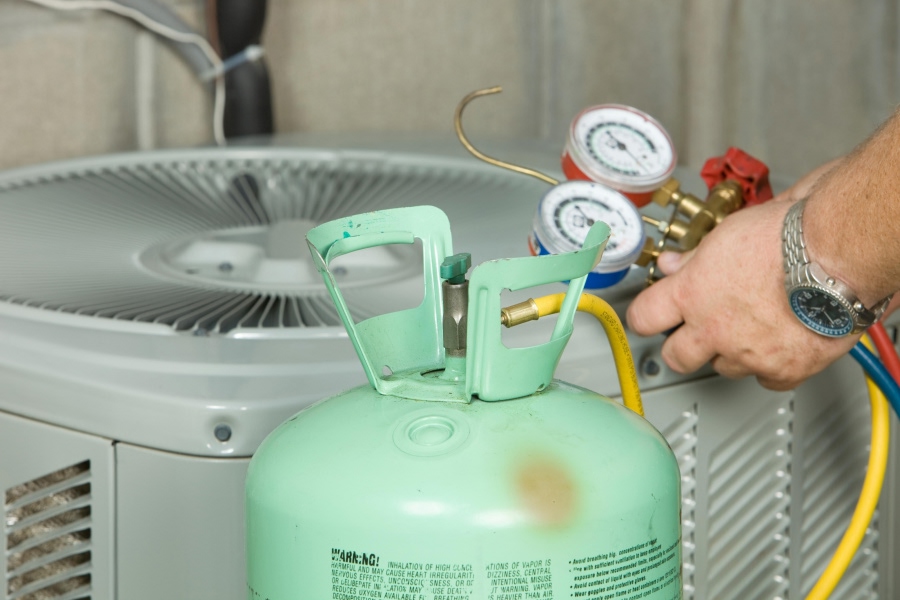
Finding refrigerant leaks requires patience and precision. HVAC techs often use electronic leak detectors, soap bubble tests, or UV dye methods to locate leaks accurately. Once repaired, the system must be vacuumed and recharged properly according to manufacturer specifications.
Because refrigerant handling is regulated, summer service calls involving leaks can provide valuable hands-on experience for HVAC students preparing for EPA certification work.
4. Capacitor Failures
Capacitors fail constantly during hot weather. The intense heat puts additional strain on electrical components, especially in outdoor condensing units exposed to direct sunlight.
When a capacitor fails, the compressor or fan motor may struggle to start or fail completely. Homeowners might hear clicking noises, humming sounds, or notice that the system stops turning on altogether.
For many experienced techs, capacitor replacement becomes a routine summer repair. However, students should remember that electrical safety matters on every call. Proper lockout procedures and meter testing are essential before handling any components.
Understanding how capacitors support motor startup and operation is a foundational skill for anyone entering the HVAC industry.
5. Clogged Condensate Drains
High humidity levels during summer create large amounts of condensation inside cooling systems. Over time, algae, dirt, and debris can clog condensate drain lines, causing water backups and leaks.
Customers may notice water pooling near the indoor unit, wet ceilings, or musty odors around vents. Some modern systems even shut down automatically when overflow safety switches are triggered.
These service calls may seem simple, but they teach important lessons about preventative maintenance. Clearing drain lines, checking drain pans, and ensuring proper drainage are routine maintenance steps that can help prevent water damage and future mold concerns.
Many homeowners are surprised to learn that a clogged drain can shut down an otherwise functional air conditioner.
6. Thermostat Problems
Not every summer cooling complaint is caused by the AC equipment itself. Sometimes the thermostat turns out to be the real issue.
Dead batteries, poor calibration, wiring problems, or incorrect programming can all prevent a system from operating properly. Smart thermostats have added convenience for homeowners, but they have also created new troubleshooting situations for HVAC techs.
Customers often assume the entire system has failed when the thermostat simply isn’t communicating correctly. As a result, technicians must know how to test thermostat voltage, verify settings, and confirm system response to properly evaluate the total system.
For HVAC students, thermostat calls are a good reminder that troubleshooting starts with the simplest possibilities before moving on to larger and more expensive mechanical repairs.
7. Dirty Condenser Coils
Outdoor condenser coils can quickly collect dirt, grass clippings, cottonwood, and debris throughout the summer. When too much dirt collects on the coils, airflow becomes restricted, making it impossible for the system to release heat properly. This can lead to longer run times, poor cooling performance, higher electric bills, and increased wear on the compressor.
Cleaning condenser coils is one of the most important maintenance tasks during summer service visits. Techs need to inspect airflow carefully and clean coils without damaging delicate fins.
The hard-to-learn truth is that many emergency breakdowns that occur during heat waves could have been avoided with regular coil maintenance earlier in the season.
8. Blower Motor Failures
Blower motors work hard throughout the summer to circulate cooled air throughout the home. But factors like constant operation, dirty filters, overheating issues, or worn bearings can eventually cause the motor to fail.
When this happens, homeowners may notice weak airflow, loud noises, or no air coming from vents at all.
Blower motor service calls help HVAC students build experience with topics such as electrical diagnostics, airflow measurement, and motor replacement procedures. Because airflow problems affect overall system performance, properly diagnosing blower issues is an essential skill in the field.
Final Thoughts on Summer’s Demand for HVAC Students
Summer HVAC work can be demanding, but it also provides some of the best real-world training opportunities for students and new technicians entering the field. This busy season will expose you to a wide range of common cooling problems, from simple maintenance issues to advanced electrical and refrigerant repairs.
By understanding these top summer HVAC service calls, you’ll be better prepared to diagnose problems quickly, communicate with customers professionally, and build confidence in the field. As temperatures climb, skilled HVAC technicians become more valuable than ever — and summer is where many techs gain the hands-on experience that shapes their careers.

Enter the HVAC Field With Confidence – Enroll at BTrained Today!
If you’re interested in starting a new career in HVAC, BTrained has HVAC training programs that are designed to help you gain the skills and education you need to do so with confidence. Learn the ins and outs of the job from our highly experienced HVAC professionals, and get familiar with all the tools and equipment you can expect to face in the field with our comprehensive hands-on courses and workshops.
BTrained’s HVAC training programs are different from our competitors because we keep our classes small in size to help ensure the very best learning experience possible .As a result, they tend to fill up very quickly. This means you don’t want to wait—enroll today and secure your spot in one of our upcoming HVAC training programs.